
Why Is Your Chemical Dosing Pump Losing Pressure? (And How to Fix It)
Table of Contents
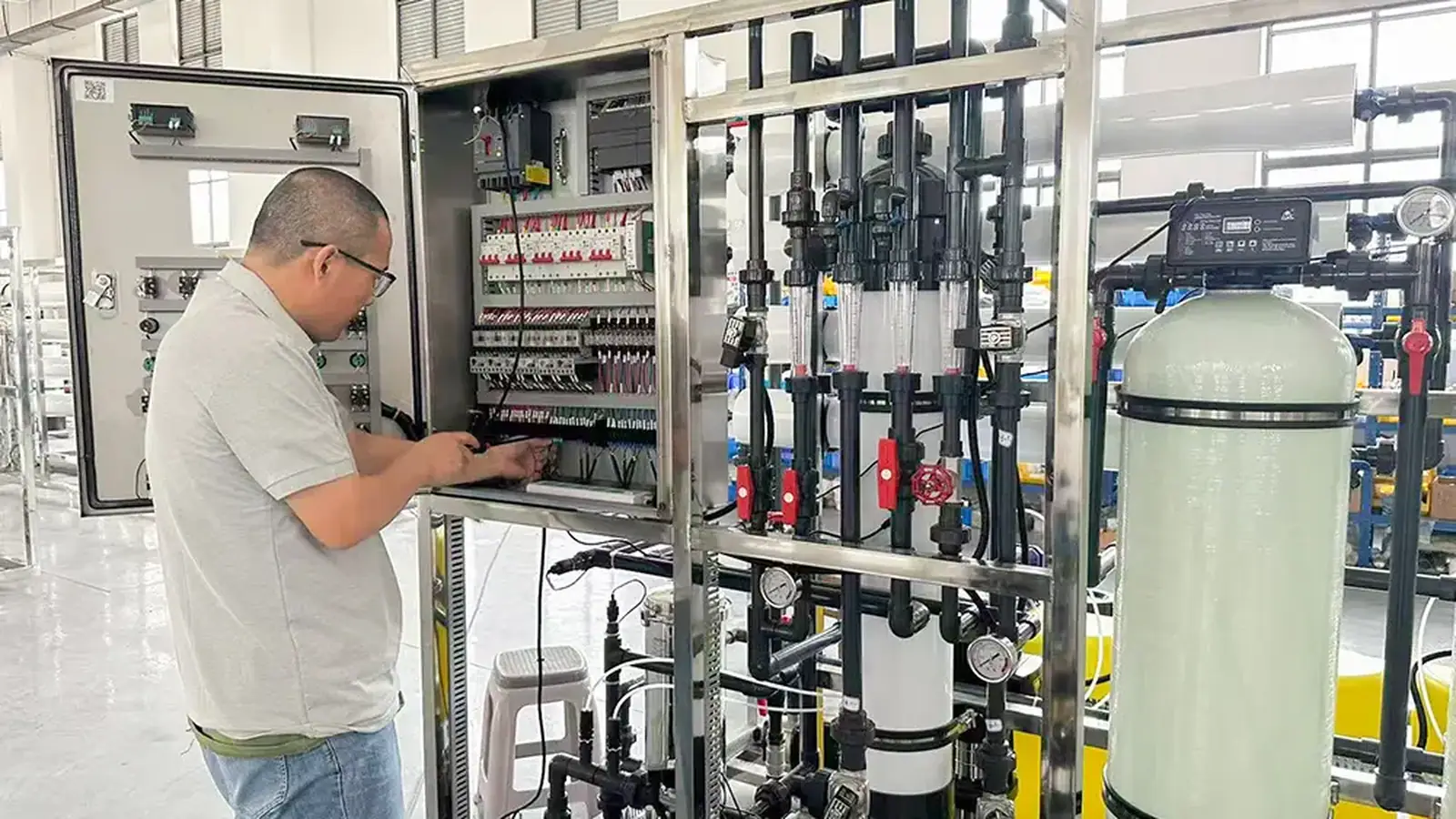
Meta Title: Chemical Dosing Pump Losing Pressure? 6 Causes and FixesMeta Description: Discharge pressure dropping on your chemical dosing pump? Here are the 6 most common pressure-loss causes — worn valves, leaking seals, clogged strainers — with field fixes for each.
Pressure Loss on a Dosing Pump: Start Here
A chemical dosing pump that once delivered steady pressure but now barely pushes chemical is usually not dying — it is telling you which part is wearing out. Pressure loss builds slowly, which is why it gets ignored until the system alarms on low flow.
Work through these six causes in order. Each one has a specific symptom pattern, so you can usually pinpoint the failing part without taking the pump apart twice.
1. Worn Discharge Valve Cartridge
Symptom: Pressure drops gradually over weeks; flow falls off at the same stroke setting.
Cause: The discharge check valve seats are the highest-wear parts in the liquid end. Every stroke slams the ball into the seat. Over months, the seat develops a groove, the ball loses its roundness, and the valve backflows during the suction stroke.
Fix:1. Remove the discharge valve cartridge. 2. Hold the ball against the seat and shine a light through — any light leak means the seal is gone. 3. Replace the cartridge (ball + seat + spring) rather than just the ball. The seat is the worn part. 4. Re-prime and check pressure at the same stroke setting.
Prevention: Valve cartridges are consumables. Budget them in the same maintenance cycle as the diaphragm — typically every 6–12 months for water treatment duty.
2. Pinhole in the Diaphragm
Symptom: Pressure loss is sudden; you may see air bubbles in the discharge line or a slight drop in reservoir level.
Cause: A pinhole in the PTFE diaphragm lets process gas into the hydraulic chamber (motor-driven pumps) or the pump simply loses displacement (solenoid pumps). Chemical attack and flex fatigue are the usual culprits.
Fix:1. Isolate the pump and remove the liquid end. 2. Inspect the diaphragm under good light; pinholes are easy to miss on a creased PTFE face. 3. Replace the diaphragm and the O-rings behind it. 4. If you find scoring on the backing plate, check the process chemical's compatibility — the material may be wrong for the duty.
Prevention: Match diaphragm material to the chemical (PTFE-faced for oxidizers, EPDM for neutral water treatment chemicals). Never run a dry head for long periods.
3. Clogged Suction Strainer
Symptom: Pressure and flow both fall, and the pump runs noticeably quieter.
Cause: A blocked suction strainer starves the pump. The liquid end fills partially with vapor, displacement drops, and discharge pressure follows it down.
Fix:1. Shut down and relieve pressure. 2. Remove the strainer element; clean or replace it. 3. Check the suction tubing for a collapsed section — old EPDM tubing can suck flat.
Prevention: Clean the strainer on the same schedule as the valve cartridges. If you dose crystallizing chemicals, use a strainer you can disassemble in under two minutes.
4. Leaking Discharge Line or Fitting
Symptom: Pressure is fine at the pump head but drops at the injection point; you smell chemical along the line.
Cause: A loose compression fitting, a cracked ferrule, or a pinhole in the discharge tubing bleeds pressure where you cannot see it.
Fix:1. Walk the discharge line and check every fitting with a leak-detection solution. 2. Re-tighten or replace suspect ferrules — they are single-use. 3. Replace tubing that shows cracking, especially near fittings and UV-exposed runs.
Prevention: Use the tubing and ferrule material rated for your chemical. PVC tubing softens with some solvents; PTFE-lined tubing handles most aggressive duty.
5. Stroke Length Drifted or Actuator Fault
Symptom: Pressure is steady but lower than the nameplate; the stroke-length dial does not match output.
Cause: On solenoid pumps, the stroke-length setting can drift, or the internal stop wears. On motor-driven pumps, a slipping eccentric or a low hydraulic-oil level reduces effective stroke.
Fix:1. Set stroke length to 100% and verify output with a calibration column. 2. Top up hydraulic oil (motor-driven diaphragm pumps) to the correct level. 3. If output still falls short, inspect the drive: eccentric wear, loose coupler, or a failing solenoid coil.
Prevention: Calibrate the pump after every maintenance intervention. Output calibration is the only way to know the pump is actually delivering its set dose.
6. Wrong Valve Orientation or Wrong Spring
Symptom: Pump never built pressure correctly after a rebuild.
Cause: Suction and discharge cartridges are not interchangeable on many pumps. Swapping them, or installing the wrong spring rate, kills discharge pressure while the pump still runs.
Fix:1. Verify cartridge orientation against the flow arrow on the pump head. 2. Confirm the spring matches your pressure class — low-pressure springs feel "fine" but cannot hold high back-pressure. 3. Rebuild with the correct parts kit for your model.
Prevention: Order replacement cartridges by pump model and liquid end number, not by eye.
Pressure-Loss Troubleshooting Checklist
- [ ] Discharge pressure measured at the head, not the injection point
- [ ] Valve cartridge seal tested with the light test
- [ ] Diaphragm inspected for pinholes
- [ ] Suction strainer cleaned
- [ ] Discharge line walked for leaks
- [ ] Stroke set to 100% and output calibrated
- [ ] Cartridge orientation verified after rebuild
When to Repair vs. Replace the Liquid End
| Condition | Action |
|---|---|
| Valve seat grooved / ball scored | Replace valve cartridge |
| Diaphragm pinhole | Replace diaphragm + O-rings |
| Pump head cracked / threads stripped | Replace liquid end assembly |
| Multiple failures in one year | Rebuild with full PMK kit |
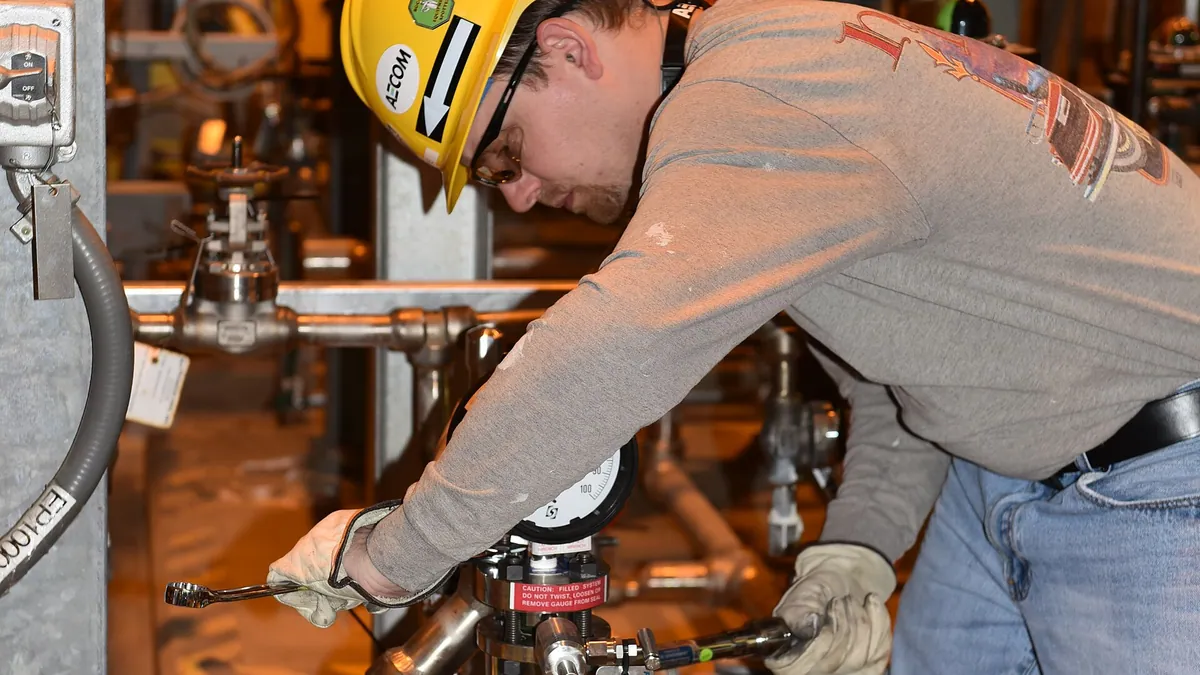
FAQ
Q: My pump lost pressure suddenly. Is it the diaphragm or the valves?A: Sudden loss usually points to the diaphragm (pinhole) or a line leak. Gradual loss over weeks points to valve wear. Check the discharge line first — it is the cheapest fix.
Q: Can I just replace the ball and keep the seat?A: You can, but the seat is the worn part in most cases. A new ball against a grooved seat leaks almost as much. Replace the cartridge.
Q: Why does my pump lose pressure after a rebuild?A: Most rebuild mistakes are wrong cartridge orientation, wrong spring, or an undertorqued liquid end. Walk through cause #6 first.
Q: How often should I replace valve cartridges?A: For continuous water treatment duty, 6–12 months is typical. Aggressive or crystallizing chemicals shorten that to 3–6 months.
Need the correct valve cartridges, diaphragms, or a preventive maintenance kit for your LMI, ProMinent, SEKO, Milton Roy, or Pulsafeeder pump? Send us the pump model and liquid end serial — we supply compatible parts with same-week dispatch.
NEXT STEP
Need the Right Metering Pump Part?
Send us your pump model — our team matches the correct part and responds within 24 hours.
Written by
Ray ChanMetering pump parts specialist. Ray helps water treatment plants, chemical plants and maintenance contractors source factory-direct compatible pump parts.